
How to Search Montgomery County Warrants
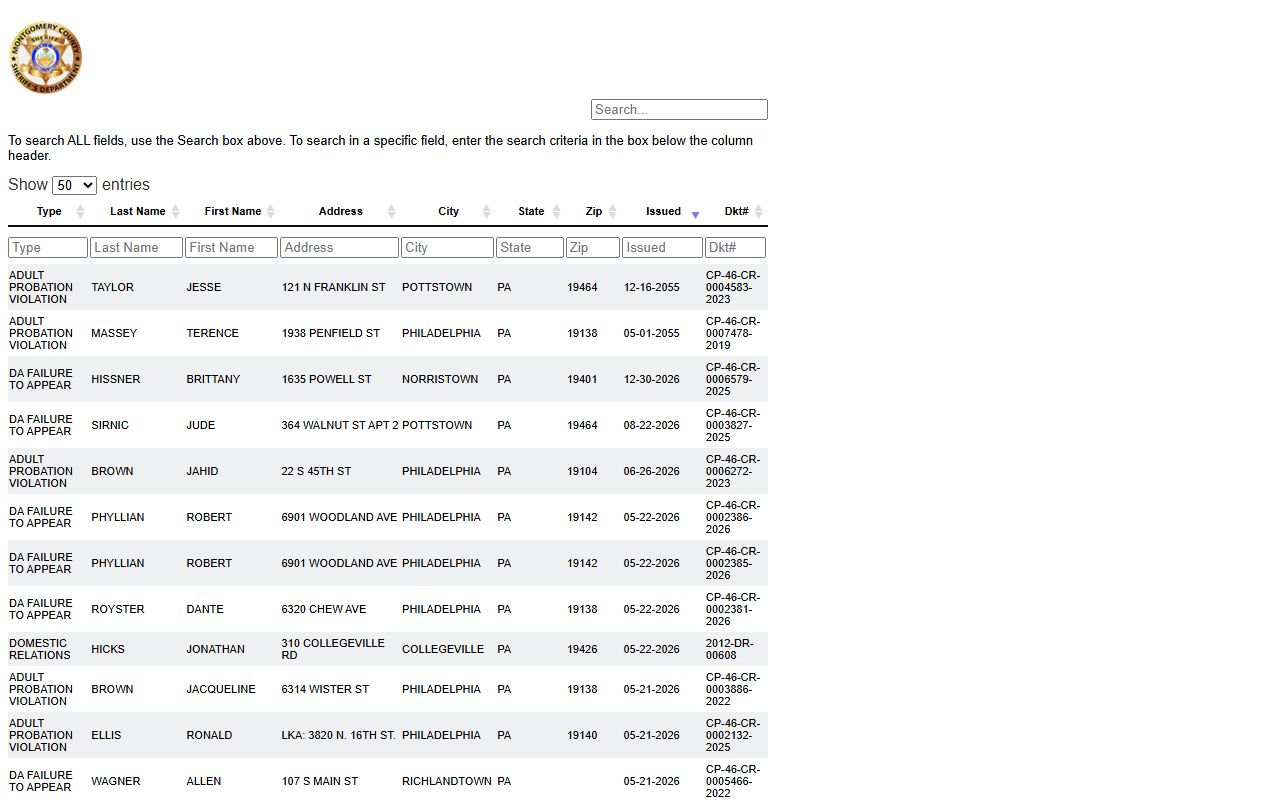
The county posts an active bench warrant table on the Sheriff's Active Bench Warrants page. The table is embedded from the county's ALEIS system and works without a login. You can search across all fields with the search box, or filter one column at a time using the box under each header.
The list comes from the Sheriff's Warrants Division, which gathers and processes warrants from many agencies across Montgomery County. The division's own page explains its staffing, its tip options, and how it prioritizes the hundreds of warrants it receives each month.
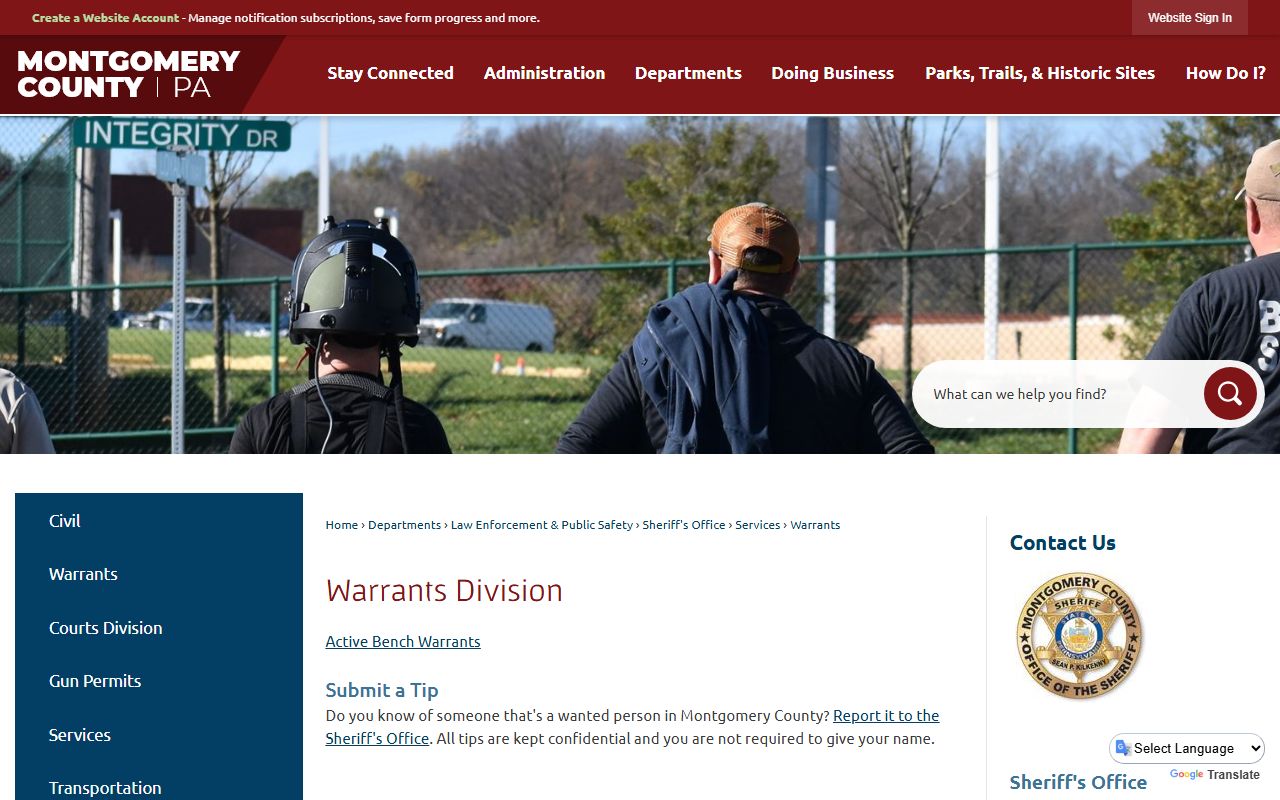
- Open the Active Bench Warrants page on the county site.
- Type a last name in the main search box to scan all fields.
- Or filter by a single column, such as City or Type, under its header.
- Read the issue date and docket number on any matching row.
- Cross-check that docket on the UJS portal or call the issuing court.
The table sorts by issue date with the newest first, and it shows 50 rows per page, so use the search box for a faster name match. Because the table runs on server-side software, results page and filter as you type, and a blank result simply means no active bench warrant matched your terms in that public list.
One caution before you read too much into a match. Names can repeat, and an address on file may be old. The table is a starting point, not proof that a particular person is the one named. Always confirm with the docket number and the issuing court before you act on what you see. The Sheriff's Warrants Division page also links a Most Wanted list, but the active bench warrant table is the more complete tool for a plain name search.
Montgomery County Warrant Search Fields
The active bench warrant table exposes a set of columns you can search and filter. None of them require a login. The field table below mirrors the official columns.
| Field | Type | Required | Notes |
|---|---|---|---|
| Search | Text box | No | Searches all columns at once. |
| Type | Column filter | No | The warrant category. |
| Last Name / First Name | Column filter | No | Name of the wanted person. |
| Address / City / State / Zip | Column filter | No | Last known location on file. |
| Issued | Column filter | No | Date the warrant was issued; default sort is newest first. |
| Dkt# | Column filter | No | The docket number tied to the case. |
What a Montgomery County Warrant Record Shows
The public table is built for name searches, not for full case detail. It shows enough to identify a person and the case, then points you to the docket for the rest. The inventory below lists what the active bench warrant table does and does not include.
- Shown: warrant type, last and first name, address, city, state, zip.
- Shown: issue date and the docket number.
- Not shown: charge narrative, bond amount, and issuing judge.
- Not shown: full date of birth, Social Security number, and physical description.
To see the charges behind a warrant, take the docket number to the court records search and open the case docket sheet. That docket holds the charge detail, the bail, and the hearing history that the warrant table leaves out. In other words, the warrant table answers "is there an active warrant," and the docket answers "what is the case about."
Types of Warrants and the Warrants Division
The Sheriff's Warrants Division is staffed by about a dozen law-enforcement deputies and a small administrative team, and the Sheriff's page reports the office finds and arrests over 9,000 offenders a year. Deputies are on the road daily, work from law-enforcement tips and citizen tips, and run scheduled overnight operations. The targets are broad: people wanted for criminal charges, DUI, domestic violence, unpaid child support, and those who skipped a hearing or sentencing. A defendant who turns himself in can also be processed through the division rather than arrested on the street.
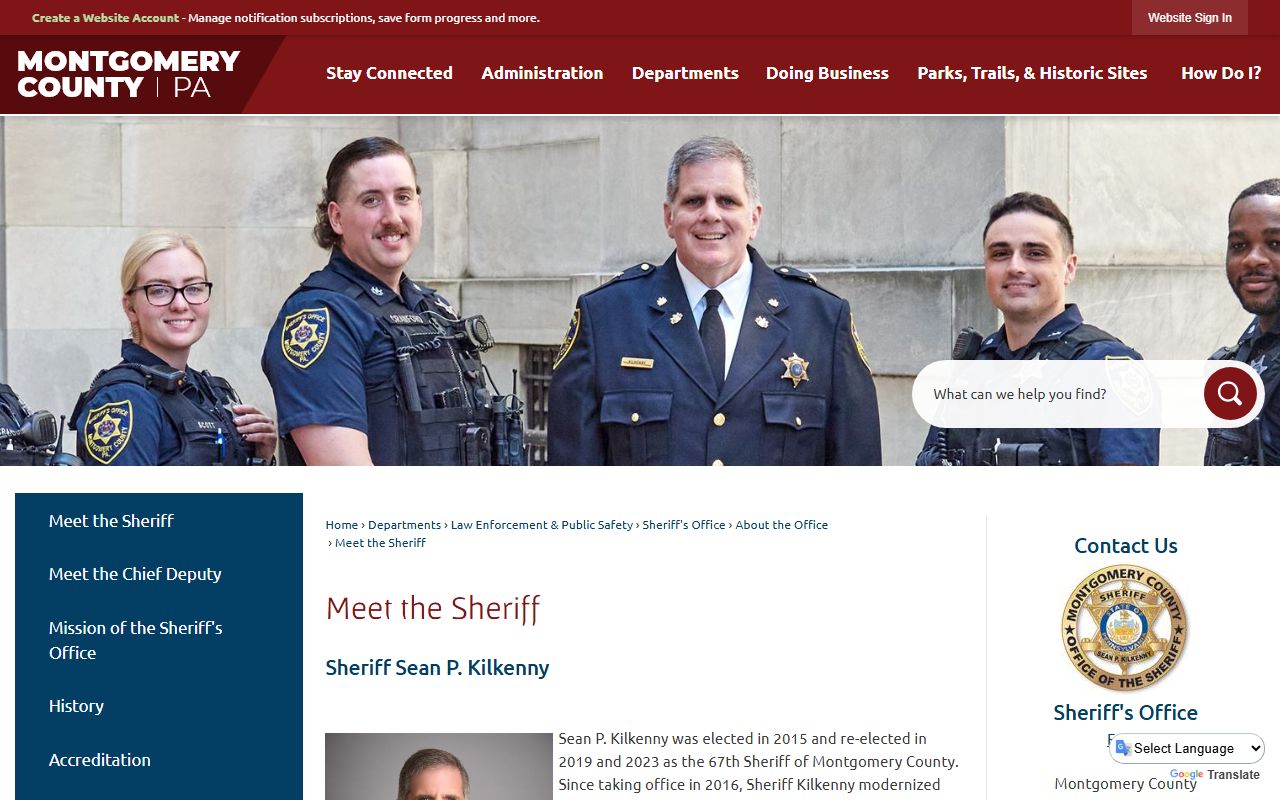
Sheriff Sean Kilkenny leads the office, which serves one of the largest counties in Pennsylvania. His official biography sets out the office's role and history.
A bench warrant is issued by a judge, often after a failure to appear. A capias is a court order directing arrest. The active bench warrant table focuses on this active set, not on every sealed warrant, search warrant, or law-enforcement hold in the county.
It helps to know how the public table compares to other warrant types, since not all of them appear online. The comparison below sorts out what you can and cannot search.
| Warrant type | Public on the table? | Notes |
|---|---|---|
| Active bench warrant | Yes | Listed by name, town, issue date, and docket number. |
| Search warrant | No | Issued for a search; not part of the public bench warrant list. |
| Probation or detainer warrant | Usually no | Handled through supervision and the courts. |
| Sealed warrant | No | Hidden by court order or rule. |
Reporting a Warrant Tip
The Sheriff's Office takes anonymous tips on wanted people. You do not have to give your name. The Warrants Division tip line is 610-278-3340. Tips also go to a Submit-a-Tip form online, to the warrant email address, or through the office's social media accounts.
Note: The Sheriff's page says tips are confidential and names are not required, so you can report a location without identifying yourself.
The main Sheriff's Office sits on the first floor of the courthouse at P.O. Box 311, Norristown, with a general line of 610-278-3331. Deputies use these tips along with their own case work, and the office runs scheduled operations to serve warrants rather than relying on chance encounters. A tip about a wanted person's location is treated as confidential information, so the public can help without exposure.
One thing the tip line is not is a place to settle your own case. If the warrant is yours, do not call the tip line; call the Warrants Division line or your attorney and work through the court instead. The tip line is for reporting others, while your own warrant runs through the court that issued it.
What to Do If You Have a Warrant
If your own name appears, do not ignore it. The Sheriff's page says deputies use citizen and law-enforcement information and can arrest people who turn themselves in, so an old address or a misspelled name is not protection. A warrant usually traces back to a missed obligation in a case that already exists.
The safer path is to act through the court. Confirm the docket on the UJS portal, then contact an attorney or the Warrants Division at 610-278-3340 before you appear, and address the underlying issue with the court that issued the warrant. Resolving the missed hearing, sentencing, or payment is what clears the warrant.
How a bench warrant clears: missed court date › judge issues warrant › confirm docket on UJS › contact court or counsel › resolve the underlying matter › warrant withdrawn by the court.
If the warrant ties to unpaid child support, the support court controls the next step, not the Sheriff alone. If it ties to a criminal case, the Court of Common Pleas or the district court that set the hearing handles it. The point is the same in every case: deal with the court, do not wait for a knock at the door. A warrant does not expire on its own, and time tends to add costs rather than remove them.
Megan's Law and Public Safety Registries
A warrant search is not the same as a sex-offender check, and people often confuse the two. Pennsylvania keeps a separate registry under Megan's Law, run by the State Police, with public offender profiles you can search by name or area.
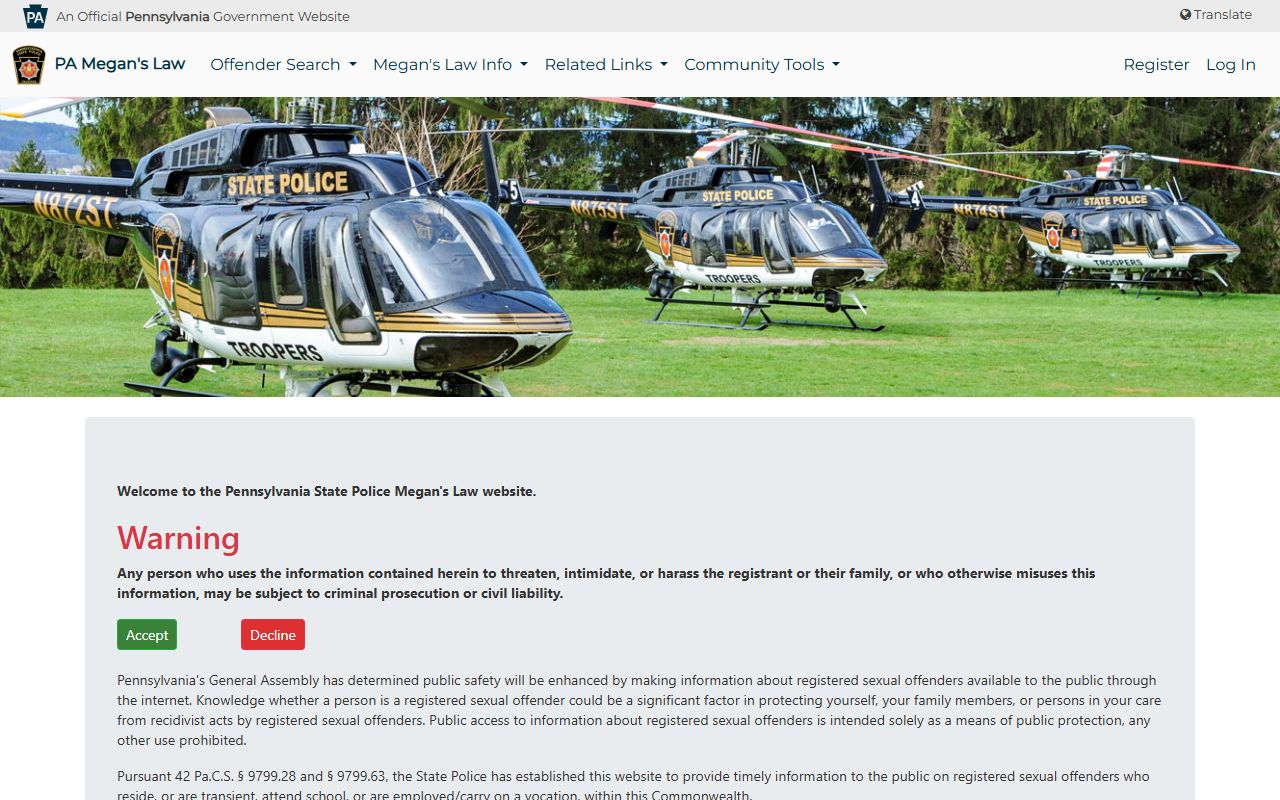
The registry shows registration status, not custody or an active warrant. For custody questions use the inmate records page, and for released-inmate notifications see the released inmates page. Treat the registry, the warrant table, and the court docket as three separate tools that answer three separate questions.
Common Montgomery County Warrant Questions
A few questions come up again and again when people search for warrants. The short answers below cover the most common ones.
Is the active bench warrant table the full list of all warrants in the county? No. It is the active bench warrant list embedded on the Sheriff's page. Search warrants, sealed warrants, and many supervision warrants are not on it. It is the best public tool for a name search, but it is not a complete warrant database.
Can I clear a warrant online? Not directly. There is no online button to lift a warrant. You confirm the docket, then work through the issuing court or an attorney to resolve the missed obligation, and the court withdraws the warrant when the matter is handled.
Will paying a fine remove a bench warrant? Sometimes, if the warrant was issued only for an unpaid amount, but many warrants also require an appearance. Call the court on the docket to be sure, rather than assuming a payment alone settles it.